
Robotic Cell & Automation Frame Aluminum Profiles for Integrated Robotics Workstations
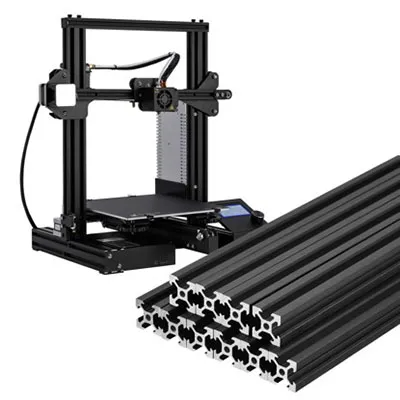
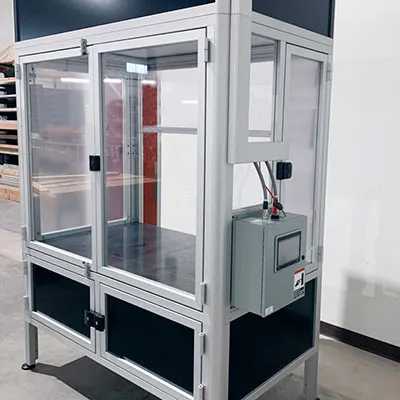
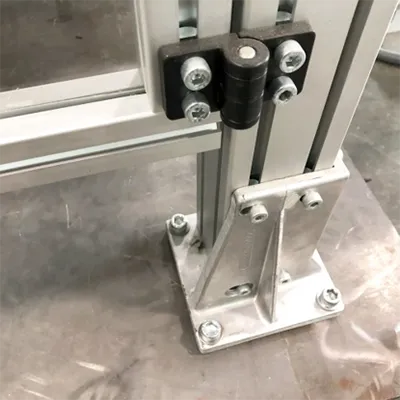
Product Advantages of Robotic Cell & Automation Frame Aluminum Profiles
- Enhanced Safety and Protective Enclosure Support
- Modular Design for Flexible System Assembly
- Compatibility with Automation Equipment and Accessories
- Efficient Installation and System Deployment
Yoverd Aluminium Introduction
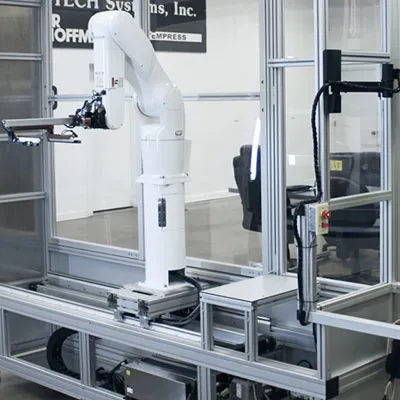
Yoverd Aluminium provides Robotic Cell & Automation Frame Aluminum Profiles designed for robotic workstations and integrated automation environments. These profiles serve as the structural framework for robotic cells, supporting equipment installation, safety enclosures, and system coordination within automated production setups.
Developed with a system‑oriented approach, our profiles focus on structural stability, modular configuration, and compatibility with robotic equipment. Precision extrusion and controlled manufacturing ensure consistent dimensions, enabling accurate assembly and reliable performance across complex automation systems.
These profiles function as core structural elements in robotic cells, supporting efficient layout design, safe operation, and scalable system integration.

We offer comprehensive customization services for robotic cell and automation frame aluminum profiles to meet specific system requirements and application scenarios.
Customization options include:
- Structural frame design based on robotic cell layout and system configuration
- Profile dimensions and reinforcement adjustments according to equipment load and application needs
- Integration optimization for robotic arms, sensors, conveyors, and automation components
- Pre‑machining services including cutting, drilling, and assembly preparation
- Surface finishing options suitable for industrial environments and safety applications
Our technical team supports customers throughout the process, ensuring effective coordination between structural frameworks and automation systems for efficient project implementation.

Robotic cell and automation frame aluminum profiles from Yoverd Aluminium are widely used in industrial environments that require integrated robotic systems and controlled workspaces, including:
- Robotic workstations and automation cells
- Assembly and production line units
- Welding, handling, and packaging robot systems
- Safety enclosures and protected work zones
- Integrated automation platforms and modular equipment systems
These profiles are suitable for applications where structured frameworks, safety integration, and flexible system configuration are essential for efficient automation operations.

Why Choose Our Robotic Cell & Automation Frame Aluminum Profile Solutions
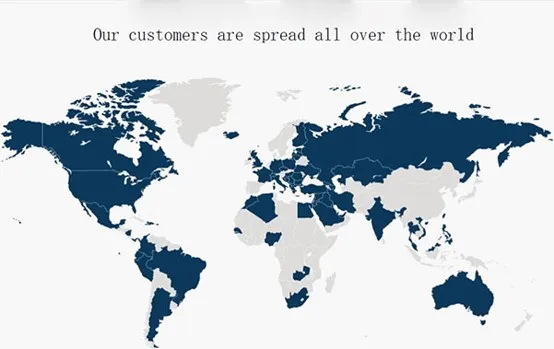
Global Customer Base with Mature Export Experience
Supported by a global customer base, Yoverd Aluminium has developed mature and reliable export experience in supplying robotic cell and automation frame aluminum profiles for international projects. Our established processes help ensure consistent quality, efficient communication, and dependable delivery for overseas applications.
System Oriented Design for Robotic Work Cells
We develop robotic cell aluminum profiles with a focus on integrated system structure and equipment coordination. Profile design considers robotic operations, safety enclosures, and workflow layout, ensuring efficient implementation and stable performance within automation environments.
Practical Support for System Integration and Deployment
We provide practical support throughout the development and implementation process, including layout coordination, configuration guidance, and production planning. This helps ensure efficient assembly and smooth integration into robotic workstations and automation systems.

Product Specifications – Robotic Cell
| Item | Specification |
|---|---|
| Product Type | Robotic Cell & Automation Frame Aluminum Profiles |
| Application Category | Robotic work cells and automation system frameworks |
| Aluminum Alloy | 6063 / 6061 (other alloys available upon request) |
| Temper | T5 / T6 |
| Profile System | Modular structural profile system for robotic cell integration |
| Profile Types | Frame profiles, guarding structures, and custom automation sections |
| Profile Structure | Reinforced profiles for equipment support and safety enclosures |
| Wall Thickness | Customized according to system load and application requirements |
| Structural Role | Structural framework and safety support for robotic cells |
| Item | Specification |
|---|---|
| Dimensional Accuracy | Controlled extrusion with consistent tolerances |
| Surface Treatments | Mill Finish, Anodizing, Powder Coating, Industrial Coating |
| Corrosion Resistance | Suitable for industrial and workshop environments |
| Safety Integration | Compatible with guarding panels, enclosures, and safety systems |
| Connection Compatibility | Compatible with fasteners, brackets, and automation components |
| Assembly Method | Modular assembly and system integration |
| Application Scope | Robotic workstations, automation cells, enclosure systems |
| Customization | Frame design, machining, system integration, OEM & ODM supported |
| Export Support | Suitable for international projects with mature export service |

Frequently Asked Questions – Robotic Cell & Automation Frame Aluminum Profiles
What are robotic cell and automation frame aluminum profiles?
Robotic cell and automation frame aluminum profiles are structural aluminum extrusions used to build robotic workstations and automation units. They provide the framework for equipment mounting, safety enclosures, and system integration.
What is a robotic work cell?
A robotic work cell is a self‑contained automation unit that includes robots, control systems, safety enclosures, and supporting structures. Aluminum frame profiles form the structural base that holds these components together.
How are robotic cell profiles different from general machine frame profiles?
Robotic cell profiles are designed with system integration and safety in mind. Unlike general machine frame profiles, they support enclosure systems, equipment coordination, and structured workflows within automation environments.
How do these profiles support safety systems?
These profiles are compatible with safety panels, guarding systems, doors, and protective barriers, allowing the construction of safe working zones that comply with industrial safety requirements.
Can robotic cell frames be customized for specific automation systems?
Yes. Robotic cell aluminum profiles can be customized based on robot type, workspace layout, equipment configuration, and safety requirements, ensuring proper integration into different automation setups.
What types of robots and equipment can be integrated?
These profiles can support a wide range of equipment, including robotic arms, welding robots, pick‑and‑place systems, conveyors, sensors, and control units, depending on system design.
Are robotic cell aluminum profiles suitable for high speed and dynamic operations?
Yes. They are designed to provide stable structural support under dynamic conditions, helping maintain alignment and system reliability during continuous robotic operation.
Can robotic work cells be expanded or reconfigured?
Yes. The modular nature of aluminum profile systems allows easy expansion and reconfiguration, making it possible to adapt robotic cells to changing production needs.
How do these profiles improve installation efficiency?
Robotic cell aluminum profiles support modular assembly and pre‑configured design, reducing installation time and simplifying alignment compared to traditional welded structures.
Are they suitable for automated production lines?
Yes. Robotic cell profiles are widely used in automated production lines, where multiple work cells are integrated into a complete system.
Are these profiles suitable for international automation projects?
Yes. With mature export experience and standardized production, robotic cell aluminum profiles can be reliably supplied for global automation and robotics applications.
Do you provide technical support for robotic cell integration?
Yes. Technical support includes layout guidance, system integration advice, and customization coordination, helping ensure efficient implementation of robotic workstations.
Get Quick
Contact With Us
Share your needs with us, We’ll contact you in very short time.
Submit your project details or engineering drawings. Our technical team will review your requirements and provide a comprehensive quotation within 24 hours.
Company profile
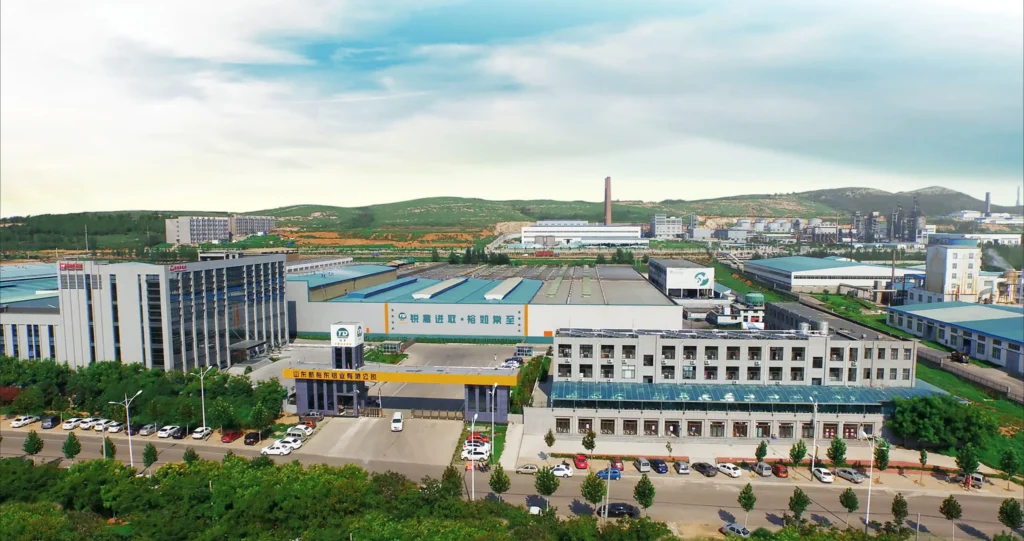
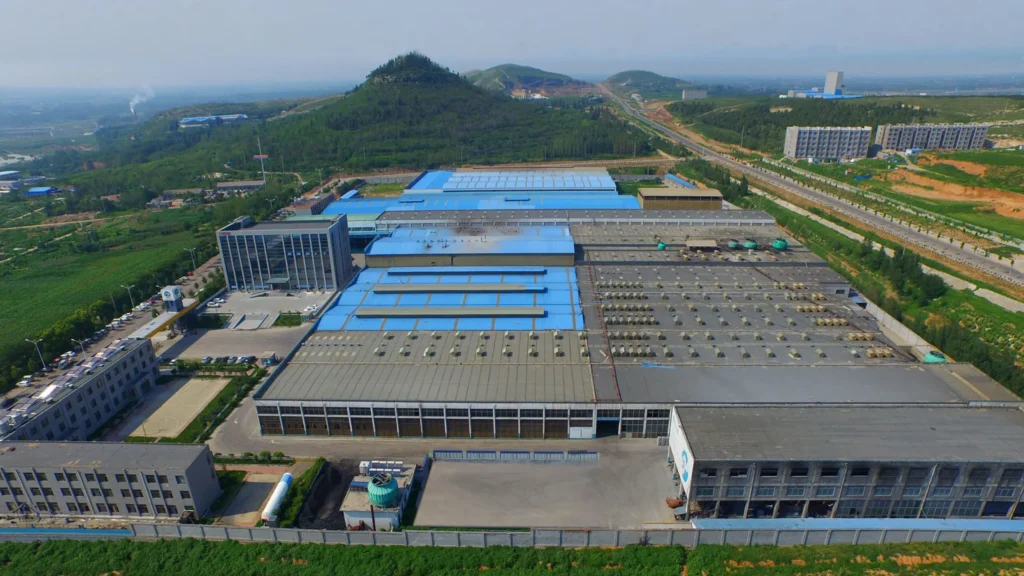
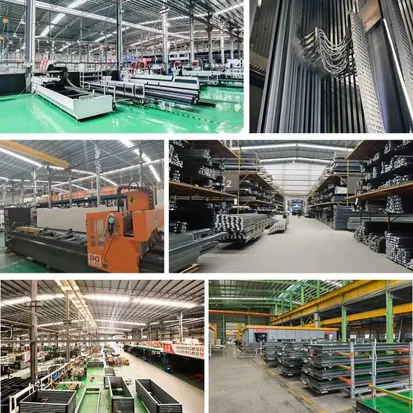
Shandong Yoverd Aluminum Co., Ltd. is located in “the First County of Aluminum in China (Jiangbei)” Dongcheng Development Zone,Lingqu County in Shandong Province. It is next to Jiaoji Railway and Jiqing Expressway in the north, Changshen Expressway in the east with advantageous geographical location and regional strength. The company was established with the approval by the document YLJZ (2003) No. 119 issued by Linyu County Development and Reform Bureau, and after over ten years of progressive and diversified development and has become a large enterprise with regional influence. The company takes an area of 220,000 square meters with a registered capital of RMB 30 million, total assets of RMB 460 million and 1,200 employees including 12 senior professional technicians, 59 medium grade technicians and 70% skilled workers. It has three project bases including the head office (No. 26, East Ring Road), No. 1 First Branch Factory (North Section Yu’an Road) and the door and window company (Yudong Road). The head office is mainly engaged in manufacturing aluminum alloy profiles for construction; No. 1 Branch Factory is mainly engaged in manufacturing industrial and decoration aluminum alloy profiles and the door and window company is mainly engaged in processing top grade energy saving aluminum doors and windows. At present, the company
possesses 25 aluminum extrusion lines for aluminum alloy profiles with annual capacity of 45,000 tons. In 2013, the aluminum alloy project realized production value of RMB 1.5 billion.The completed top grade energy saving aluminum door and windows project has an annual processing ability of 300,000 square meters.After full production, the company can realize sales revenue of RMB 150 million.